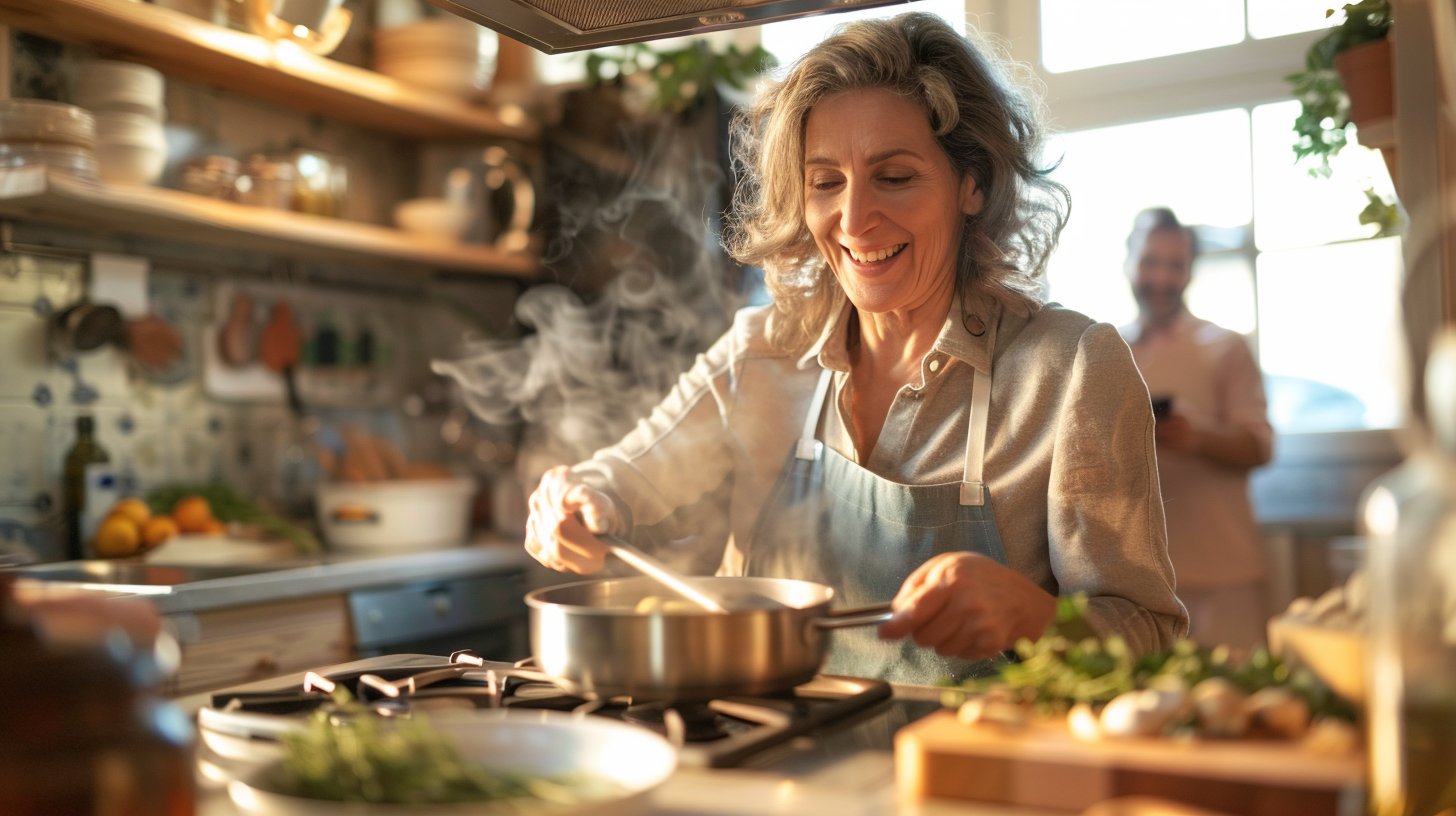
Every family has one. The dish that exists nowhere but in someone's memory. The one that was made by feel, by smell, by decades of repetition — never written down because it never needed to be, because the person who made it would always be there to make it again.
And then they aren't.
This is the quiet tragedy that plays out in kitchens all over the world. Not a dramatic loss — no one notices in the moment. But years later, someone wants to make the thing, can't find the recipe, asks around, and discovers that it lives now only in fragments. A little of this. Cook it until it smells right. You'll know.
Recipes are not just food
A recipe carries everything that was in the room when it was made. The arguments and the laughter and the particular Sunday afternoon light. The grandmother's hands. The way she tasted as she went and added something without measuring.
When you teach someone a recipe, you're not just giving them instructions. You're giving them access to a sensory memory — a way of being transported back to a place and time they may not even have lived in.
For grandchildren who are estranged, who may never have had the chance to stand in that kitchen, a recorded recipe becomes something even more charged: a window into a world they were kept from. Proof that it existed. Proof that it was real.
How to preserve a recipe properly
The mistake most people make is waiting until they feel like they have the time to do it right. They think they need to measure everything precisely, write it all out formally, maybe test it a few times first.
Don't wait. The act of preservation doesn't have to be perfect — it has to happen.
- —Record yourself making it. The video of your hands working is often more valuable than a written recipe. Narrate as you go, even the parts that feel too obvious to say.
- —Write down the things you never think to write down: the pan you use, the brand of ingredient that matters, the thing your mother told you that you've never forgotten.
- —Include the story, not just the steps. Where did this come from? Who made it before you? What does it smell like when it's right?
- —Make it twice: once normally, once with a measuring cup in hand so someone else can replicate it.
The inheritance you didn't know you were leaving
Food is one of the most primal ways humans pass themselves forward. We are what our grandmothers cooked. The flavors of childhood live in the body in a way that words on a page simply don't reach.
When a grandchild who never met you makes your mother's soup for the first time — and gets it right — something happens that is genuinely hard to name. A connection forms across time and distance and silence. The recipe was a thread, and they followed it.
That's worth writing down. That's worth recording. That's worth doing today, even imperfectly.